Sanjiv Lal and the Business of Better Health: Building a More Thoughtful Future for Longevity
Photo Credit: Courtesy of Regen Therapy
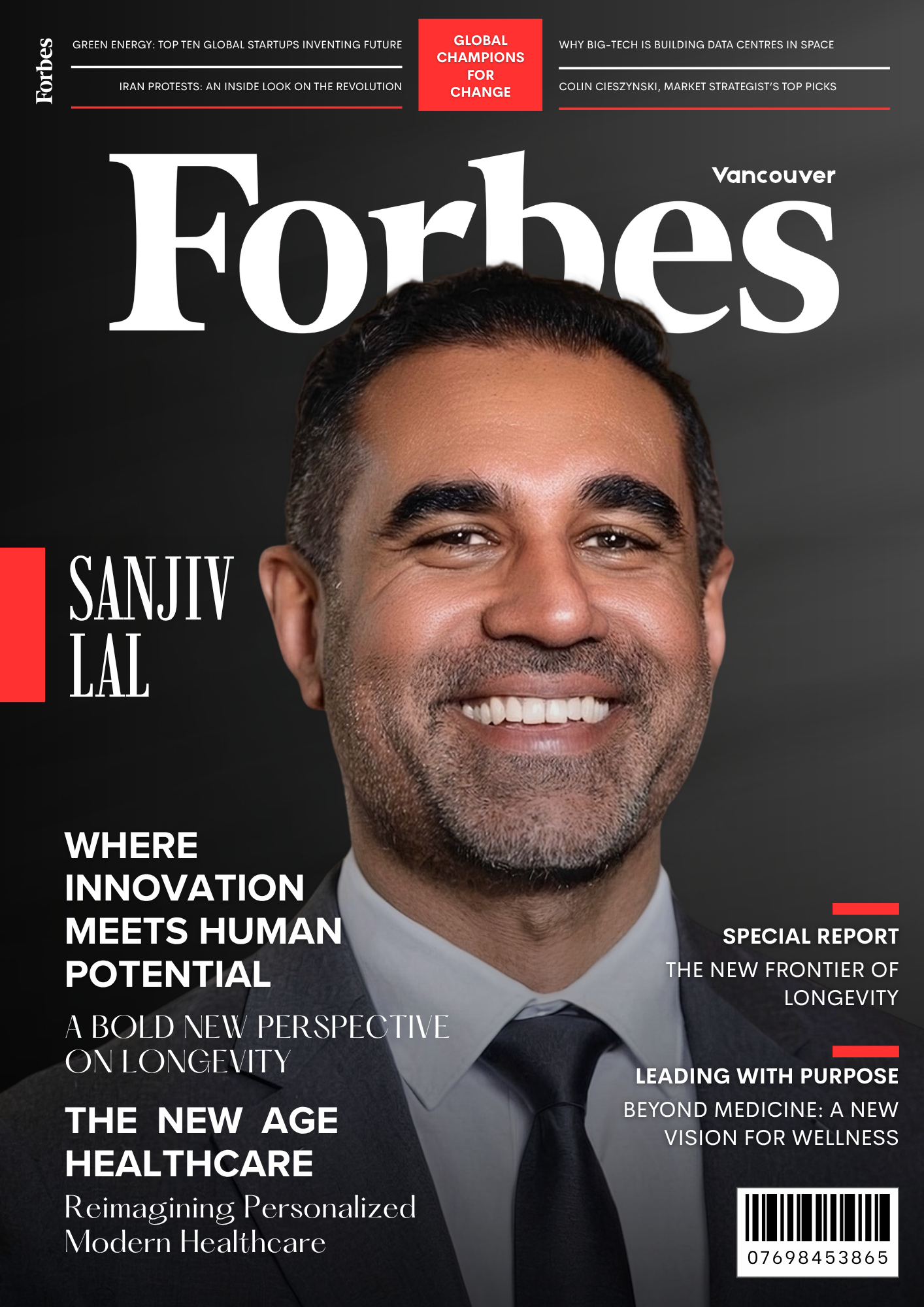
The healthcare entrepreneur is exploring how scientific collaboration, diagnostic intelligence, and emerging biotechnology could reshape the way people approach their health and the years ahead.
The most interesting developments in healthcare often begin with questions that do not have immediate answers. What if the information already circulating within the human body could tell us more about how it responds to stress, changes over time, and maintains its biological functions? What if advances in diagnostics and biotechnology could help people understand their health more clearly before problems become increasingly difficult to manage? For Sanjiv Lal, these questions represent more than intellectual curiosity. They are central to the future he hopes to help build.
Lal has spent nearly 24 years working across pharmaceuticals, biotechnology, molecular genetics, laboratory diagnostics, and healthcare entrepreneurship. His experience has given him an understanding of the many stages involved in bringing scientific ideas into the commercial world. Research may establish a promising possibility, but transforming that possibility into something useful requires investment, infrastructure, reliable measurement, and the participation of people with different areas of expertise.
As CEO and cofounder of Regen Therapy, Lal is working in a field where these considerations are particularly important. Regenerative medicine continues to attract interest for its potential to improve our understanding of biological repair and cellular communication. Yet its development also raises difficult questions about evidence, manufacturing standards, clinical application, and accessibility.
Lal’s approach begins with recognizing that scientific discovery and practical healthcare are not the same thing. Between the laboratory and the patient lies an entire system that must function responsibly if innovation is to achieve lasting value.
Understanding the Language of Cells
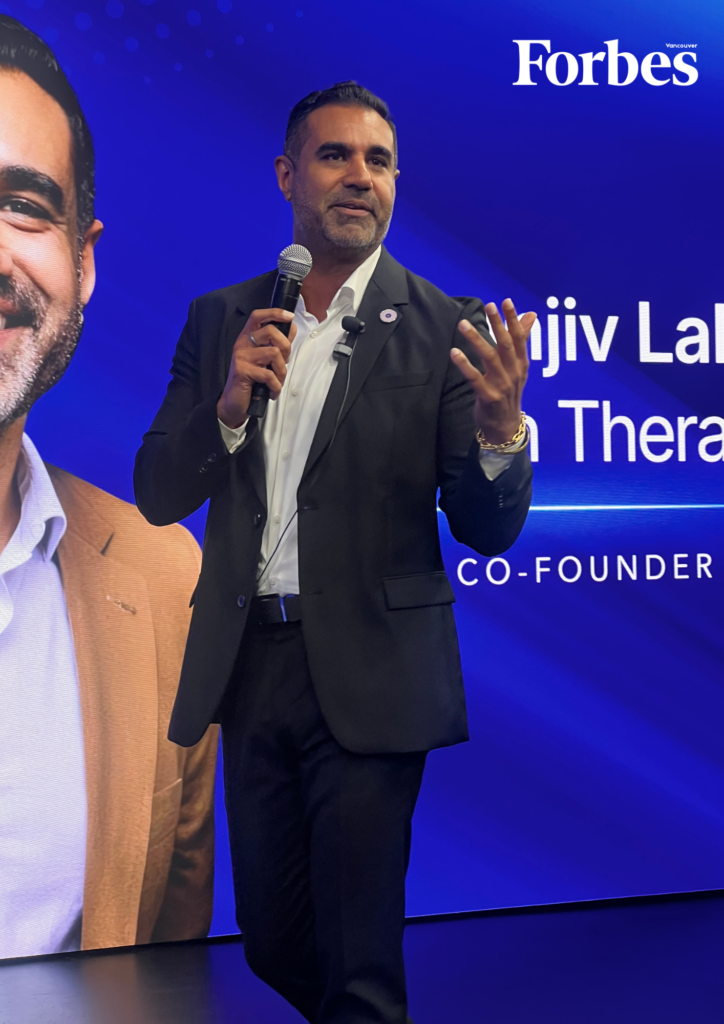
Photo Credit: Courtesy of Regen Therapy
Sanjiv Lal delivering keynote speech at HealthSpan Summit.
One of the areas attracting Lal’s attention is secretome science, which examines the substances cells release and the biological messages they may carry. These include proteins, growth factors, cytokines, chemokines, extracellular vesicles, and other components involved in communication between cells and their surrounding environments.
Cellular signaling is a complex area of biological research. Cells do not operate independently of the tissues and systems around them. They respond to information, interact with neighboring cells, and participate in processes that influence biological activity. Understanding these relationships may provide researchers with additional ways to investigate tissue function, inflammation, and the mechanisms associated with repair.
For Lal, the significance of this field lies in the questions it opens rather than in any promise of an immediate solution. A deeper understanding of cellular communication could contribute to future developments in regenerative science, but translating research into effective healthcare requires careful investigation and clinical evidence.
This distinction is especially important in an industry where scientific terminology can quickly become commercial language. New discoveries often generate excitement, but excitement alone cannot establish whether an intervention is safe, effective, or appropriate for a particular patient.
Lal believes the field needs a stronger foundation for translating research into responsible practice. That means improving scientific characterization, supporting consistent manufacturing processes, encouraging collaboration between researchers and physicians, and developing educational resources that allow healthcare professionals to evaluate emerging technologies with greater confidence.
The ambition is to create an environment in which scientific progress can be assessed on its merits, with appropriate attention given to both its possibilities and its limitations.
The Infrastructure Behind Innovation
Healthcare innovation is frequently discussed in terms of breakthroughs. A new discovery attracts attention, a technology receives investment, or a promising area of research becomes the subject of widespread conversation. Less visible, however, is the infrastructure that determines whether these developments can move beyond isolated experiments and become part of a dependable healthcare system.
Lal’s background in laboratory diagnostics has made this challenge a central part of his thinking.
Over the course of his career, he founded three laboratory businesses and successfully exited two. Those experiences offered practical lessons in building organizations, developing operational capabilities, and navigating industries where scientific accuracy and business execution must work together.
Diagnostics are particularly important because meaningful healthcare decisions depend on understanding what is happening within the body. Measurements, biomarkers, laboratory results, and clinical assessments can provide information that supports a more informed conversation between patients and healthcare professionals.
However, collecting information is only one part of the process. Results must be interpreted appropriately, limitations must be understood, and decisions must be made within a suitable clinical context. Technology can support these activities, but it cannot eliminate the need for professional judgment or reliable evidence.
Lal sees an opportunity to strengthen the connections between scientific research, diagnostics, clinical expertise, and healthcare delivery. Rather than approaching every new development as an isolated product, he is interested in the systems that could help different technologies and disciplines work together.
That perspective reflects an entrepreneurial philosophy built around solving practical problems. An innovation becomes more meaningful when the surrounding infrastructure allows it to be evaluated, implemented, and potentially made available to a broader population.
A Career Shaped by Different Perspectives
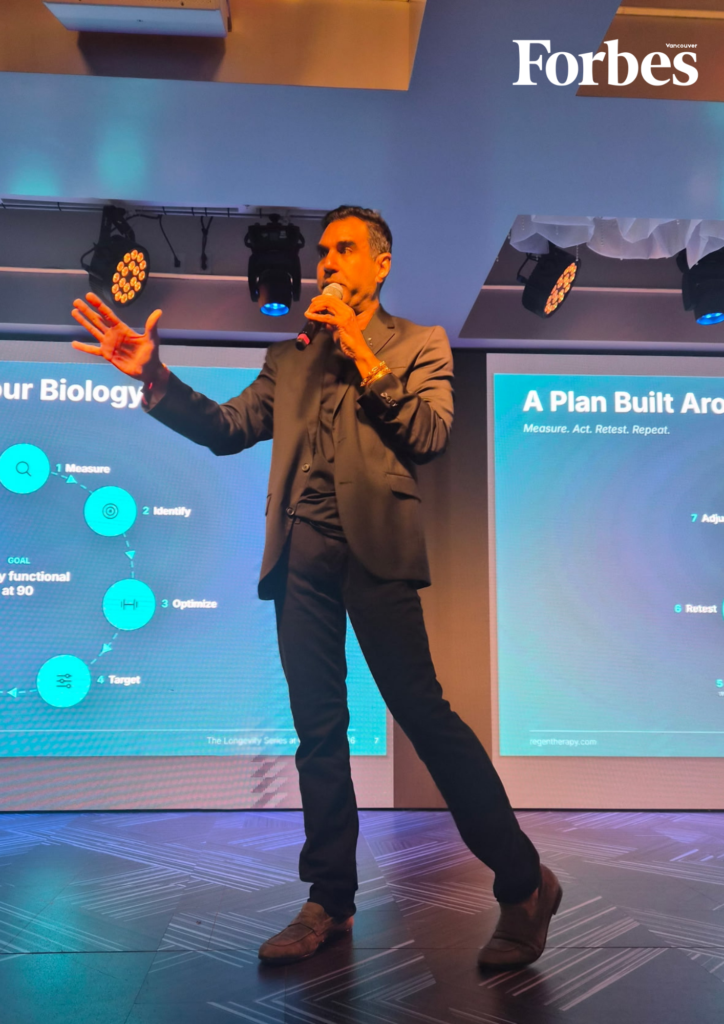
Photo Credit: Courtesy of Regen Therapy
Sanjiv Lal presenting at The Longevity Series at Gravitas in Los Angeles.
Lal’s professional path began in the pharmaceutical and biotechnology industries, including work with companies such as Eli Lilly and Monogram Biosciences. Over time, his interests expanded into laboratory businesses, investment, and the development of healthcare ventures.
His work with Motivant, a family office he cofounded, further broadened his involvement in business building and investment across healthcare and emerging technologies. He has also pursued advisory and entrepreneurial activities connected to health, performance, and innovation.
Despite the variety of these experiences, a consistent theme runs through his career. He is interested in understanding complex problems and identifying ways to turn that understanding into practical opportunities.
A significant personal health experience in 2020 added another dimension to this outlook. Facing serious illness and complications involving kidney function changed his relationship with the healthcare system. Instead of looking at medicine primarily through the perspective of a professional working within the industry, he experienced the uncertainty of being a patient searching for answers.
That experience encouraged him to investigate longevity, regenerative medicine, and the biological processes associated with recovery. It also gave greater personal meaning to questions he had previously approached through science and business.
His perspective is not one of abandoning established medicine. Rather, it reflects an interest in understanding where scientific research might expand existing knowledge and where new approaches could eventually contribute to better care.
The experience also reinforced an important lesson: healthcare is not simply an industry of technologies and transactions. Its decisions affect people’s independence, relationships, ambitions, and ability to participate in everyday life.
Rethinking the Meaning of Longevity
The growing interest in longevity has changed the conversation around aging. For many people, the objective is no longer simply to live longer, but to understand how they might preserve their physical capabilities, mental engagement, and independence as they grow older.
Lal shares this broader interest in healthspan, the portion of life spent in good health. He believes the discussion deserves greater attention because additional years do not automatically translate into a better quality of life.
The ability to remain active, maintain relationships, continue learning, and enjoy ordinary experiences can be just as important as the number of years a person lives.
This perspective also encourages a more comprehensive understanding of health. Longevity research may explore advanced biotechnology and molecular mechanisms, but everyday factors such as nutrition, exercise, sleep, metabolic health, and muscle preservation remain important parts of the conversation.
Emerging technologies should be considered alongside these fundamentals rather than presented as substitutes for them. Scientific progress is most useful when it helps people and healthcare professionals make better informed decisions, supported by appropriate evidence and medical guidance.
For Lal, the future of personalized healthcare will likely involve increasingly sophisticated ways of collecting and interpreting information about individual biology. Diagnostics, digital platforms, and advances in data analysis may create opportunities to identify changes and support more tailored care.
Nevertheless, the value of these developments will depend on the quality of the underlying science and the ability to translate information into appropriate action. More data does not automatically produce better decisions. Understanding what the data means is equally important.
Bringing Personalized Healthcare Closer to People
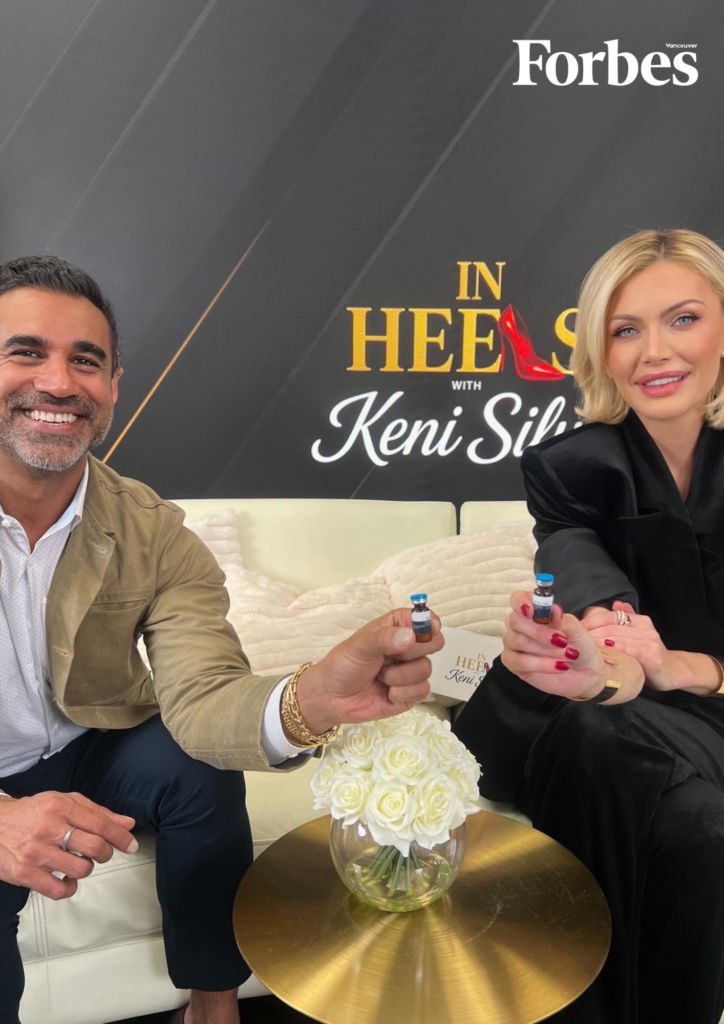
Photo Credit: Courtesy of Regen Therapy
Sanjiv Lal and Keni Silva holding Regen Quantum vials following the recording of her podcast, In Heels with Keni Silva
Lal’s interest in accessibility extends beyond regenerative science. Through Gigahealth, a direct to consumer telehealth initiative, he is exploring ways to make personalized healthcare and longevity services easier to access.
The project reflects a wider change in consumer expectations. People increasingly want to understand their own health information and participate more actively in decisions about their wellbeing. They are tracking physical activity, sleep, nutrition, and other measurements while seeking more detailed information about prevention and long term health.
Yet the healthcare experience can remain fragmented. Individuals may encounter disconnected services, confusing information, and considerable differences in access to qualified professionals.
Digital healthcare platforms offer one possible way to improve that experience by connecting consumers with medical professionals, diagnostic services, and information that supports more informed discussions about their health.
For Lal, the opportunity is not simply to put healthcare services online. It is to make the experience easier to navigate while preserving the importance of professional oversight, appropriate testing, and responsible medical decision making.
Accessibility also has an economic dimension. Highly specialized healthcare can be prohibitively expensive, limiting the number of people able to explore certain services. Lal believes that meaningful progress will require approaches capable of reaching more people without compromising standards.
Achieving this balance is a substantial undertaking. It requires effective operations, appropriate technology, qualified professionals, and a clear understanding of the regulatory and clinical responsibilities involved.
His broader ambition is to contribute to a healthcare environment in which innovation becomes easier to understand and access, rather than remaining concentrated within a small number of specialized settings.
Building for the Long Term

Photo Credit: Courtesy of Regen Therapy
Regen Quantum Cell Factors vial
Lal’s current work brings together several areas that are often discussed separately: regenerative medicine, diagnostics, longevity, biotechnology, and personalized healthcare. His interest lies in the connections between them and the opportunities that may emerge when research, investment, and practical execution align.
This approach requires a long term outlook. Scientific understanding develops through investigation, testing, collaboration, and the willingness to revise assumptions when new evidence becomes available. Building successful healthcare businesses requires a similar commitment to learning and adaptation.
For Lal, the next stage of his career is an opportunity to apply the lessons of entrepreneurship to questions that have become personally significant. His earlier business ventures taught him how to build organizations and develop commercial opportunities. His experience as a patient gave those ambitions a different sense of purpose.
He is motivated by the possibility of helping create a future in which people have better information about their health, healthcare professionals have stronger tools to evaluate emerging science, and credible innovations have a clearer path toward responsible application.
There are no simple answers to the challenges of aging, recovery, and biological complexity. Regenerative medicine and longevity research still have important questions to address, and their long term contribution will depend on the quality of the evidence that emerges.
But Lal believes those challenges make the work worth pursuing.
His vision is ultimately about creating connections between scientific discovery and the systems that allow discovery to matter. By bringing together research, diagnostics, clinical expertise, and entrepreneurship, he hopes to contribute to a more thoughtful and accessible approach to healthcare.
The real measure of progress, in his view, will not be the number of new technologies introduced or the attention they attract. It will be whether credible science can eventually help people make better decisions, preserve their capabilities, and enjoy more fulfilling lives.