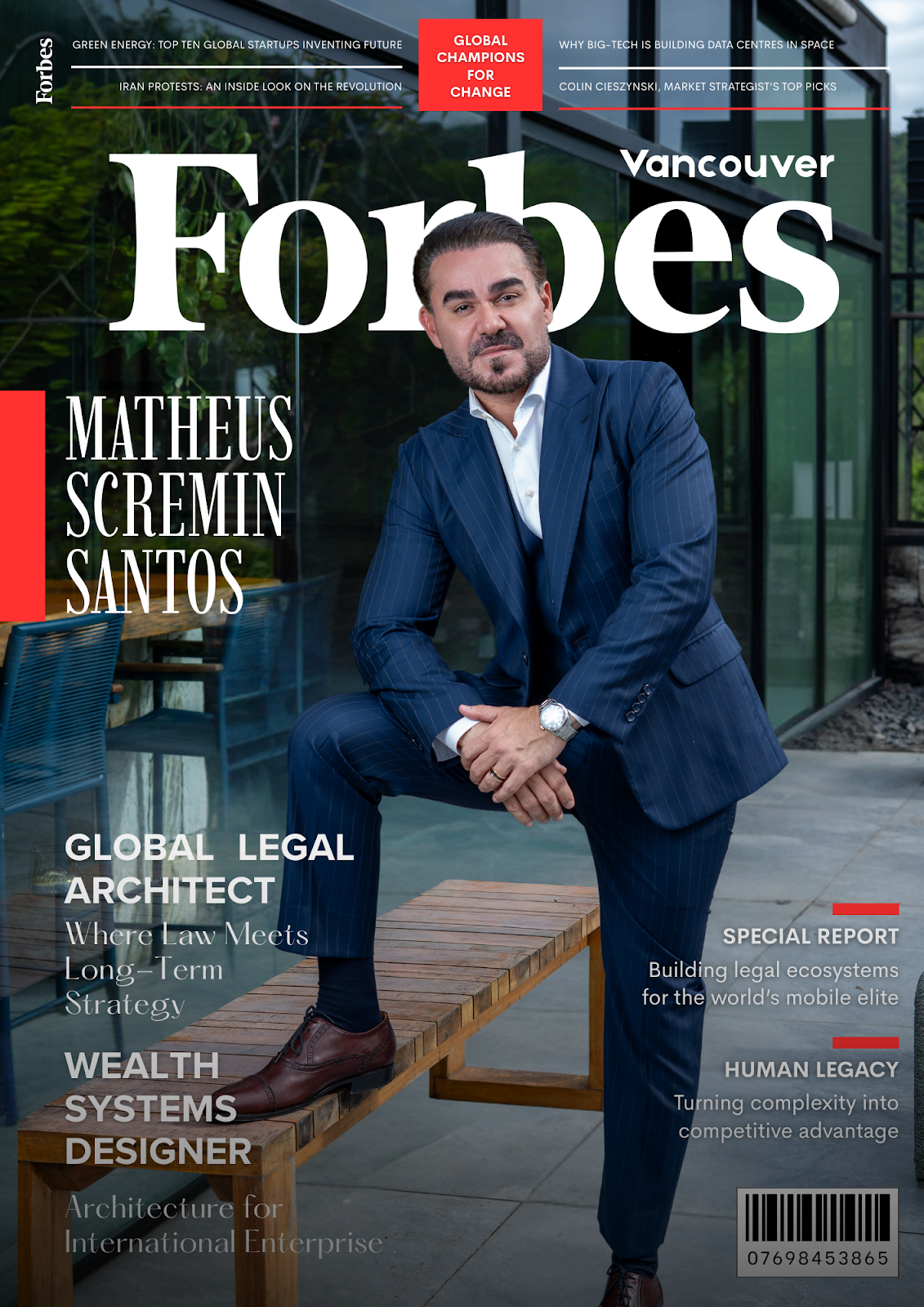
Matheus Scremin Santos : Engineering the Infrastructure of Global Wealth
In a global economy defined by mobility, regulatory complexity, and accelerated capital flows, business leaders require more than legal counsel—they require structural intelligence. The modern entrepreneur operates across jurisdictions, currencies, and compliance regimes. In this environment, fragmented advice can become a liability. What is needed instead is architecture.
Matheus Scremin Santos has built his professional identity around this principle. Positioned at the intersection of law, strategy, and long-term wealth planning, he represents a new class of advisor: the legal systems architect. His work is not confined to contracts or litigation. It is centered on designing resilient frameworks that allow businesses and families to grow, expand, and transition across generations without structural vulnerability.
A Business Mind Before a Legal Mind
Long before entering the legal profession, Matheus was immersed in commerce. Raised in a family of merchants and entrepreneurs, he witnessed firsthand how value is created—and how quickly it can erode without discipline and structure.
Exposure to negotiations, operational risks, cash-flow pressures, and long-term investment decisions gave him a practical understanding of enterprise. This early education shaped a defining insight: legal frameworks are not peripheral to business—they are foundational to it.
Where many lawyers learn to interpret systems, Matheus learned to question how systems are built. That distinction would later define his career.
Entering Law with Strategic Intent
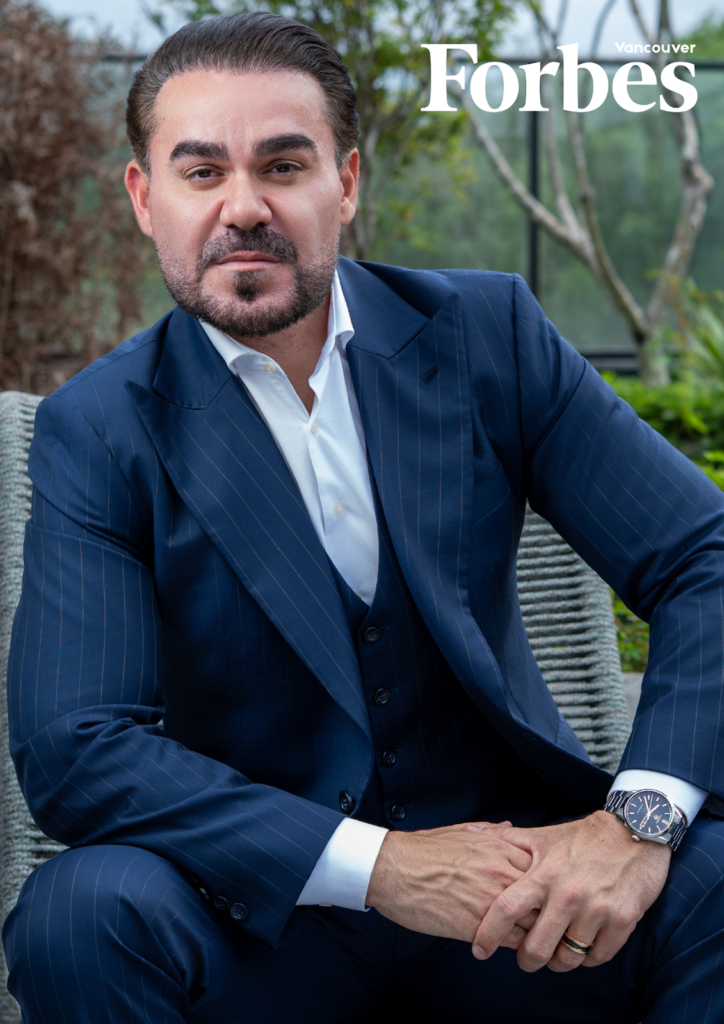
In 2000, while still attending law school, Matheus began practicing. Starting early allowed him to merge theory with real-world exposure, accelerating both technical precision and strategic maturity.
His academic path combined Law and History—an unusual but powerful combination. Law provided structure and discipline; history offered perspective on how institutions evolve, how power consolidates, and how societies preserve order across time. This dual lens shaped his long-term thinking.
Rather than aspiring to a conventional legal career, Matheus envisioned law as infrastructure—a structural backbone capable of sustaining complex economic ecosystems.
Founding a Firm with a Different Philosophy
In 2006, Matheus founded his first law firm in Santa Catarina, Brazil. The launch was more than an entrepreneurial milestone; it was a philosophical statement.
Instead of positioning his firm as a reactive legal service provider, he built it as a strategic partner for growth-oriented clients. Every engagement began with broader questions:
- How does this decision affect long-term control?
- What jurisdictional risks exist beneath the surface?
- Is the structure scalable across borders?
- Will succession be orderly or vulnerable?
This systemic lens transformed client relationships. Entrepreneurs, investors, and family offices began to see him not merely as counsel—but as an architect of stability.
From Legal Services to Legal Architecture
As his client base expanded, Matheus identified a persistent global problem: professional fragmentation. Corporate lawyers focus on entities. Tax advisors focus on compliance. Investment managers focus on returns. Estate planners focus on succession.
Individually, each discipline provides value. Collectively, when uncoordinated, they create inefficiency and exposure.
Matheus responded by developing an integrated advisory model that unites:
- International corporate structuring
- Asset protection frameworks
- Wealth and succession planning
- Cross-border regulatory compliance
- Investment structuring strategy
These are not delivered as isolated services. They are engineered as interconnected components within a unified ecosystem. The objective is coherence—ensuring that every structure reinforces the next.
The Systems Architect Mindset
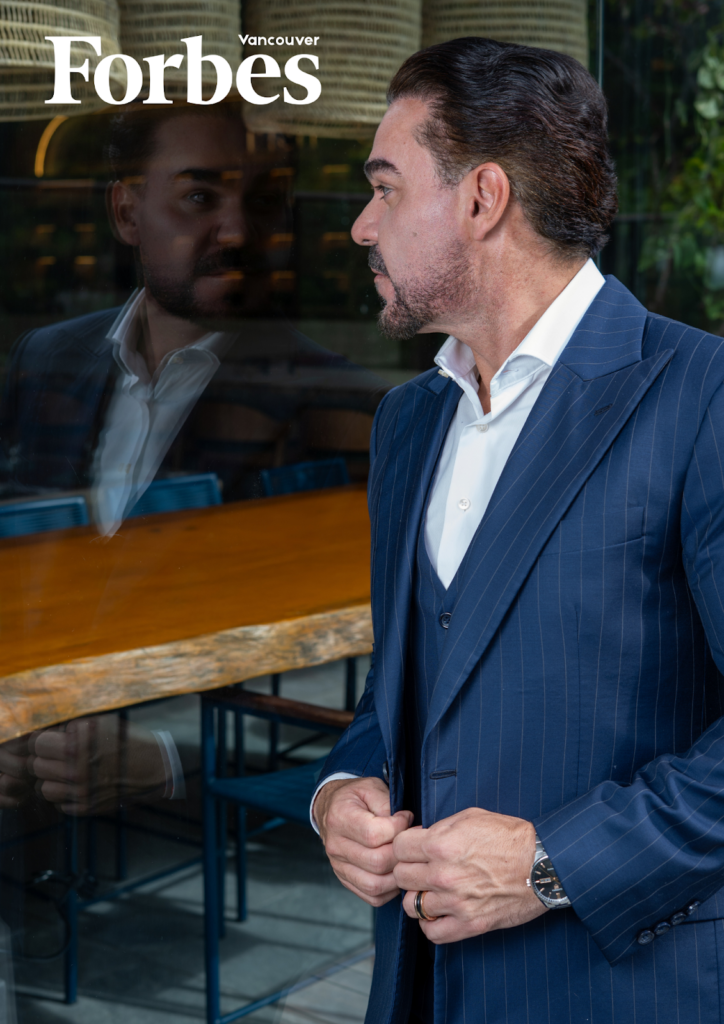
Matheus often describes himself as a systems architect rather than simply a lawyer. The distinction is intentional.
A systems architect designs environments where multiple elements function in alignment. In the legal-business context, those elements include holding structures, governance models, jurisdictional choices, contractual safeguards, and capital vehicles.
His philosophy centers on five core principles:
Resilience: Structures must withstand regulatory shifts and economic volatility.
Anticipation: Risk should be predicted, not merely managed after damage occurs.
Intentional Growth: Expansion must be engineered, not improvised.
Orderly Succession: Wealth transition requires planning decades in advance.
Control Preservation: Ownership and governance must remain aligned with strategic intent.
In a volatile global landscape, this architectural mindset offers clarity.
Bridging Borders in a Multi-Jurisdictional Era
Globalization has evolved beyond trade—it now defines wealth management itself. Families hold assets across continents. Companies operate supply chains in multiple jurisdictions. Investors seek diversification in international markets.
Yet cross-border expansion introduces layers of regulatory complexity. Misaligned structures can trigger tax inefficiencies, compliance exposure, or governance disputes.
Matheus has positioned his practice to address this reality. By designing multinational legal ecosystems, he ensures that entities, assets, and governance models operate harmoniously across jurisdictions.
The result is operational fluidity: businesses can scale internationally without structural friction.
Discipline in Opportunity Selection
Growth, for Matheus, is intentional—not opportunistic. While demand for cross-border advisory continues to rise, he evaluates each potential engagement against strict criteria:
- Alignment with core values
- Long-term impact potential
- Strategic synergy within his ecosystem
- Sustainable scalability
This disciplined filtering process ensures that every project strengthens the broader architecture he is constructing. It also protects the coherence of his multinational platform.
In an era where many advisors scale rapidly at the expense of focus, this selectivity reinforces quality and strategic alignment.
Motivated by Construction, Not Transaction
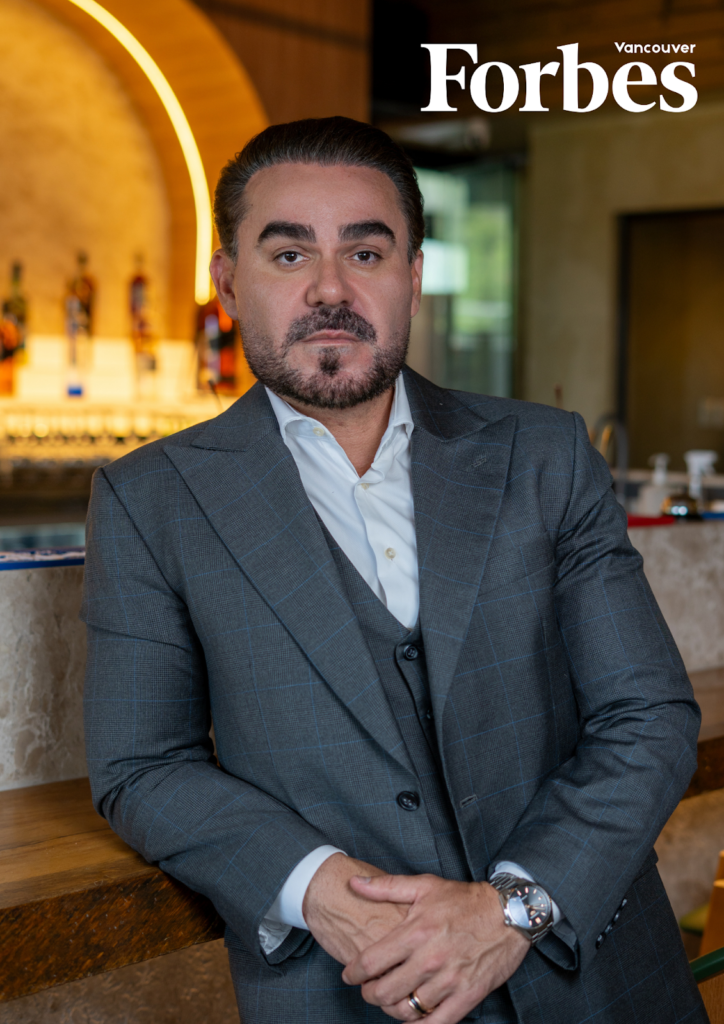
Unlike professionals driven by transactional metrics, Matheus is motivated by construction—by the act of building durable systems that endure beyond immediate outcomes.
For him, success is measured by:
- Families protected from unnecessary exposure
- Entrepreneurs expanding confidently into new markets
- Investors operating within stable, optimized structures
- Successions executed without conflict or erosion
This structural orientation differentiates his approach. Each engagement is a layer added to a larger architectural framework.
Redefining Success in the Advisory World
In traditional professional environments, success is often defined by revenue milestones, public recognition, or firm size. Matheus takes a different view.
To him, success means freedom:
- Freedom to remain aligned with his principles
- Freedom to design his professional trajectory
- Freedom to create enduring impact
- Freedom for clients to operate globally with security
Wealth, in this philosophy, is not an endpoint—it is a tool. Influence is not a status symbol—it is a responsibility.
This perspective shapes both his advisory style and his long-term strategic direction.
Building a Multinational Ecosystem
One of Matheus’s most significant achievements has been the consolidation of a coordinated multinational advisory ecosystem. Rather than operating in isolation, his platform integrates professionals across jurisdictions under a shared strategic vision.
This ecosystem allows clients to access cohesive solutions rather than disconnected advice. Governance, compliance, structuring, and investment planning are aligned within a singular architectural framework.
For globally active entrepreneurs, this integration reduces friction, minimizes redundancy, and strengthens long-term resilience.
Leadership in an Era of Complexity
The 21st-century business environment is defined by accelerating change—digital transformation, geopolitical volatility, regulatory tightening, and cross-border mobility. In such conditions, structural weakness becomes magnified.
Matheus’s leadership model emphasizes foresight over reaction. Instead of waiting for crises, he designs against them. Instead of solving isolated problems, he builds systems that prevent systemic breakdown.
This proactive posture aligns closely with the needs of globally mobile capital and multi-generational families seeking durability rather than short-term optimization.
The Road Ahead: Strategic Expansion
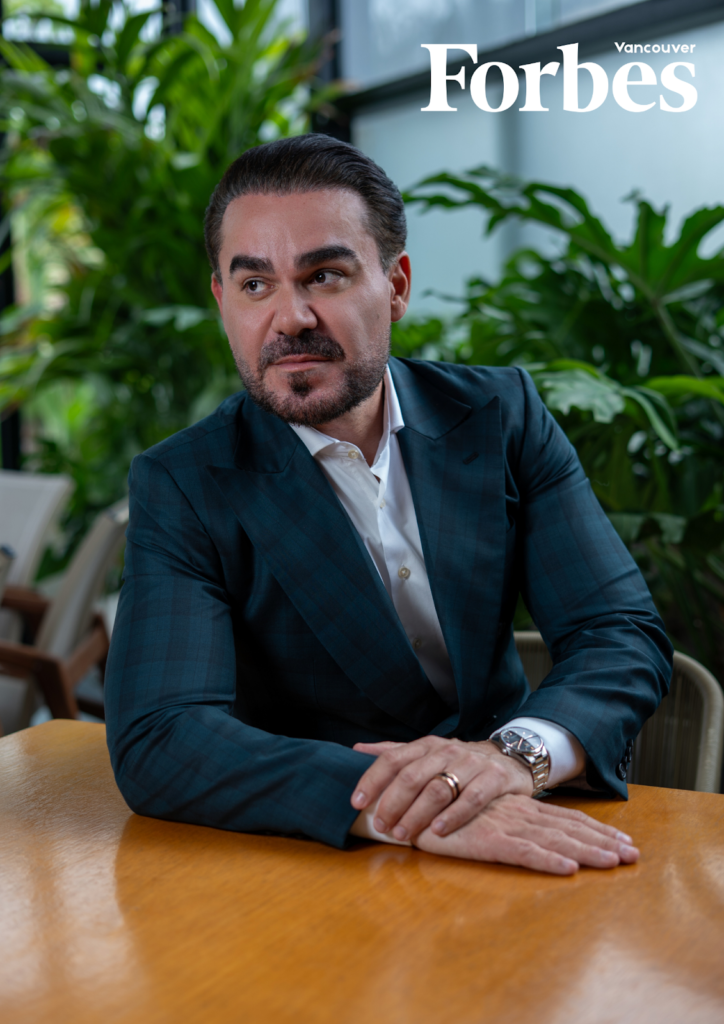
Looking forward, Matheus’s focus remains expansion with coherence. His future initiatives include:
- Strengthening international alliances
- Expanding multi-jurisdictional structuring capabilities
- Developing integrated platforms that unify legal, investment, and governance oversight
- Enhancing cross-border asset protection mechanisms
Each step reflects the same architectural philosophy that has defined his career: growth must be structured, not improvised.
The Emergence of a New Legal Archetype
Matheus Scremin Santos represents a broader shift within the advisory world. The era of siloed professionals is giving way to integrated strategists. As wealth becomes more mobile and complex, clients increasingly seek advisors capable of designing entire ecosystems—not just drafting documents.
In this landscape, the competitive advantage lies in structural intelligence.
Matheus’s career illustrates how law, when elevated beyond tradition, becomes an instrument of strategic design. His work demonstrates that sustainable prosperity is rarely accidental—it is engineered.
And in a world where complexity is the norm, those who can design clarity will not only protect wealth. They will define the architecture of its future.