
BYD Overtakes Tesla To Lead Global Electric Car Sales
BYD moves into first place
Chinese automaker BYD ended 2025 with about 2.25 million battery-electric vehicle (BEV) sales, vaulting past Tesla’s roughly 1.64 million and securing the annual global crown for the first time. This follows several quarters of intense competition in which BYD had already outpaced Tesla when plug‑in hybrids were included, signaling that the changing of the guard was only a matter of time.
What powered BYD’s rise
BYD’s strength starts at home, with China now the world’s largest EV market and generous local incentives helping push mass adoption. Crucially, BYD designs and manufactures its own batteries, one of the costliest EV components, allowing aggressive pricing that undercuts rivals while still supporting profitable volume growth.
The company has rapidly expanded its line‑up from affordable city cars to premium sedans and SUVs, giving it reach across multiple price bands. That breadth, combined with flexible pricing and frequent model refreshes, has helped BYD capture consumers who might once have defaulted to Tesla’s Model 3 and Model Y.
Tesla under pressure
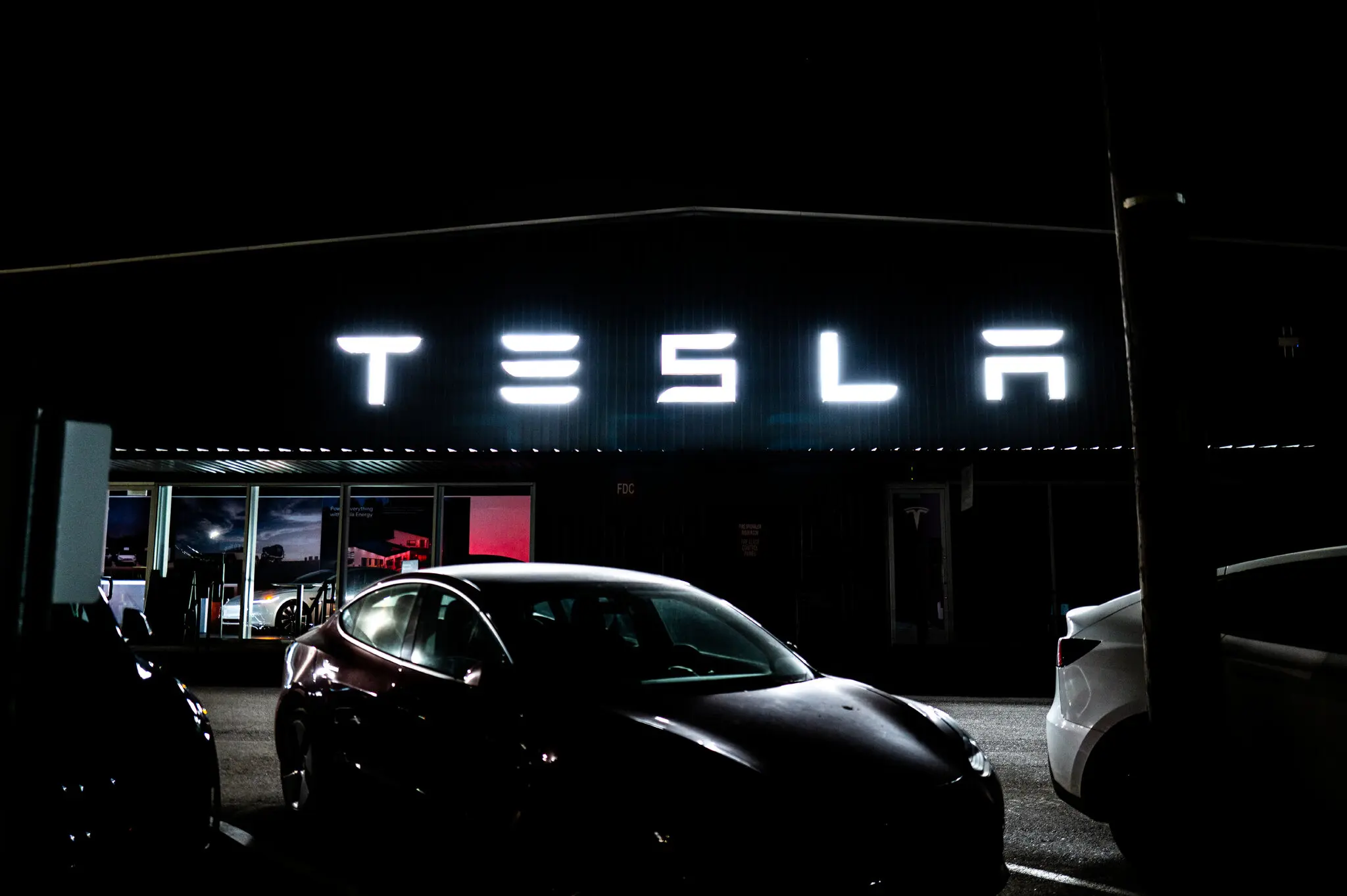
Tesla still enjoys a powerful global brand and a vast Supercharger network, but its growth has decelerated as competition intensifies and EV subsidies tighten in key markets. In 2025, Tesla’s deliveries fell by roughly 8–9%, even as global EV sales rose around 28%, underscoring how quickly rivals are eroding its early lead.
Elon Musk’s strategy has leaned on repeated price cuts to defend market share, which have squeezed margins and unsettled some investors. Meanwhile, delays in launching truly mass‑market entry models have left space for BYD and other Chinese brands to dominate the lower and mid segments.
Global EV landscape ahead
BYD’s breakthrough accelerates a broader shift in which Chinese manufacturers are exporting aggressively to Europe, Southeast Asia, Latin America, and beyond. Governments in the US and EU are already scrutinizing Chinese EV imports and subsidies, hinting at possible tariffs and new industrial policies aimed at protecting local producers.
For consumers, the rivalry promises cheaper, more capable EVs, as both companies push efficiency, range, and software innovation to stay ahead. For the industry, BYD’s ascent sends a clear message: low‑cost scale, vertical integration, and breadth of product are now as important as brand prestige in deciding who leads the electric future
One thought on “BYD Overtakes Tesla To Lead Global Electric Car Sales”
Leave a Reply




Hi, this is a comment.
To get started with moderating, editing, and deleting comments, please visit the Comments screen in the dashboard.
Commenter avatars come from Gravatar.