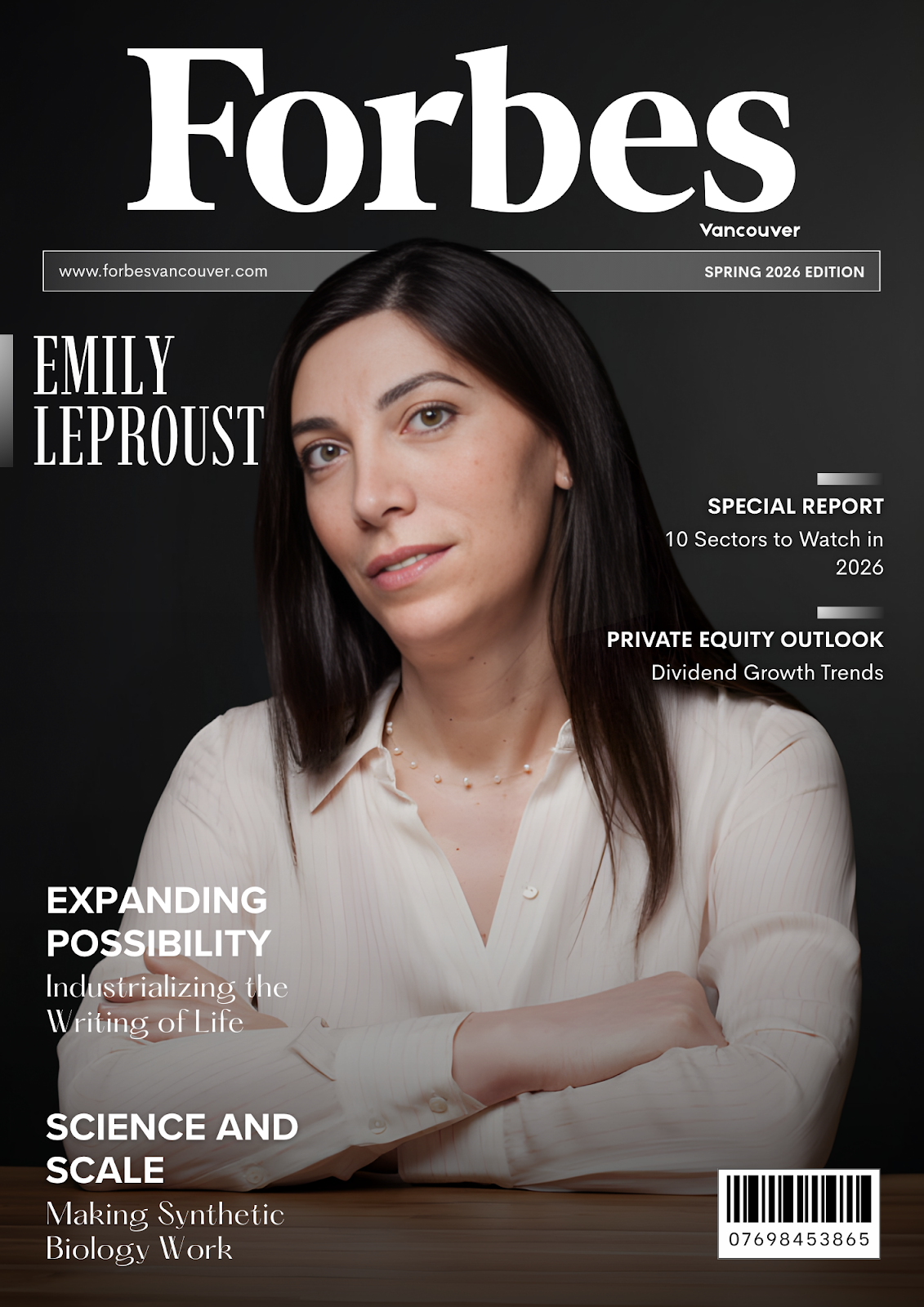
Coding Life at Scale: How Emily Leproust Is Industrializing Synthetic Biology
From Molecular Precision to Market Impact

Long before synthetic biology became a buzzword, Emily Leproust was focused on a quieter challenge: how to make DNA writing as reliable, scalable, and accessible as reading it. Trained as an organic chemist with a PhD and a deep respect for molecular precision, Leproust understood that the future of biology would not hinge on isolated breakthroughs, but on infrastructure.
Her career has been defined by that belief—turning painstaking chemistry into platforms capable of reshaping medicine, agriculture, and beyond.
Building the Tools Behind Genomic Progress
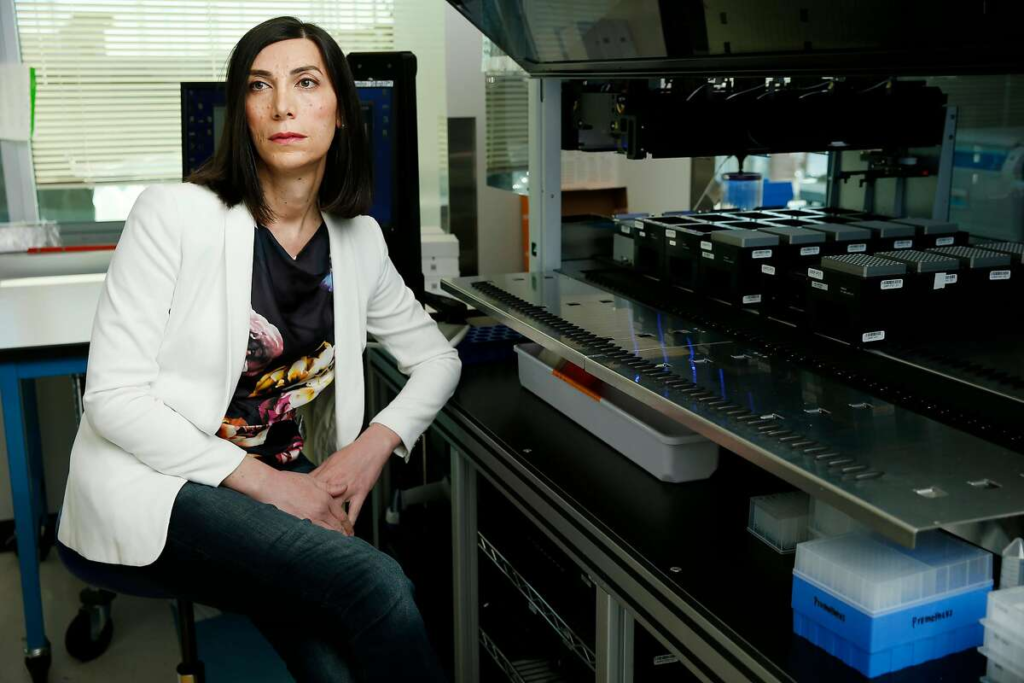
Before founding her own company, Leproust played a critical role at Agilent Technologies, where she helped advance oligonucleotide library synthesis and develop tools such as the widely used SureSelect sequencing technology. These innovations quietly powered a generation of genomic research, lowering barriers for scientists while increasing experimental accuracy.
With more than 30 scientific publications and a portfolio of patents to her name, Leproust established herself not just as a researcher, but as a builder of systems—someone fluent in both discovery and deployment.
Founding Twist Bioscience at the Right Moment
In 2013, sensing that biology was approaching an inflection point, Leproust co-founded Twist Bioscience. The vision was ambitious yet pragmatic: to reinvent DNA synthesis through a high-throughput, silicon-based platform that could dramatically increase scale while reducing cost and error.
At the time, DNA synthesis was expensive, slow, and fragmented. Twist set out to do for synthetic biology what cloud computing did for software—standardize, scale, and democratize access.
Making Biology Programmable
Under Leproust’s leadership as CEO, Twist Bioscience transformed DNA writing into an industrial process. By miniaturizing and parallelizing synthesis, the company enabled researchers to design and order genetic sequences with unprecedented speed and affordability.
The implications have been far-reaching. Twist’s technology supports applications across medicine, agricultural resilience, chemical manufacturing, and even DNA-based data storage. In each domain, the common thread is leverage—giving innovators the raw biological material they need to experiment faster and think bigger.
Lowering Costs, Expanding Possibility
One of Leproust’s most significant contributions lies in cost reduction. By driving down the price of gene synthesis and sequencing inputs, Twist has helped shift synthetic biology from a niche discipline into a broadly accessible toolkit.
This accessibility has practical consequences: faster drug discovery pipelines, more resilient crops, greener chemical processes, and new ways to store information in biological matter. What once required elite labs and vast budgets is increasingly within reach of startups and academic teams worldwide.
Leadership at the Intersection of Science and Scale
In 2024, Leproust was recognized among the top biotech entrepreneurs—a reflection of her ability to bridge deep science with operational execution. Yet her influence extends beyond accolades. She represents a new archetype of biotech leadership: rigorous, systems-oriented, and focused on enabling others to build.
Rather than positioning Twist as the hero of every breakthrough, Leproust has consistently framed the company as infrastructure—an engine powering countless unseen innovations across industries.
Writing the Future of Biology
Emily Leproust’s work underscores a defining shift in modern biotechnology. Biology is no longer just observed or edited—it is written, iterated, and scaled. By turning DNA synthesis into a reliable industrial capability, she has helped move synthetic biology from promise to practice.
In an age where life itself is becoming programmable, Leproust is not just advancing science—she is shaping the operating system on which the next generation of biological innovation will run.