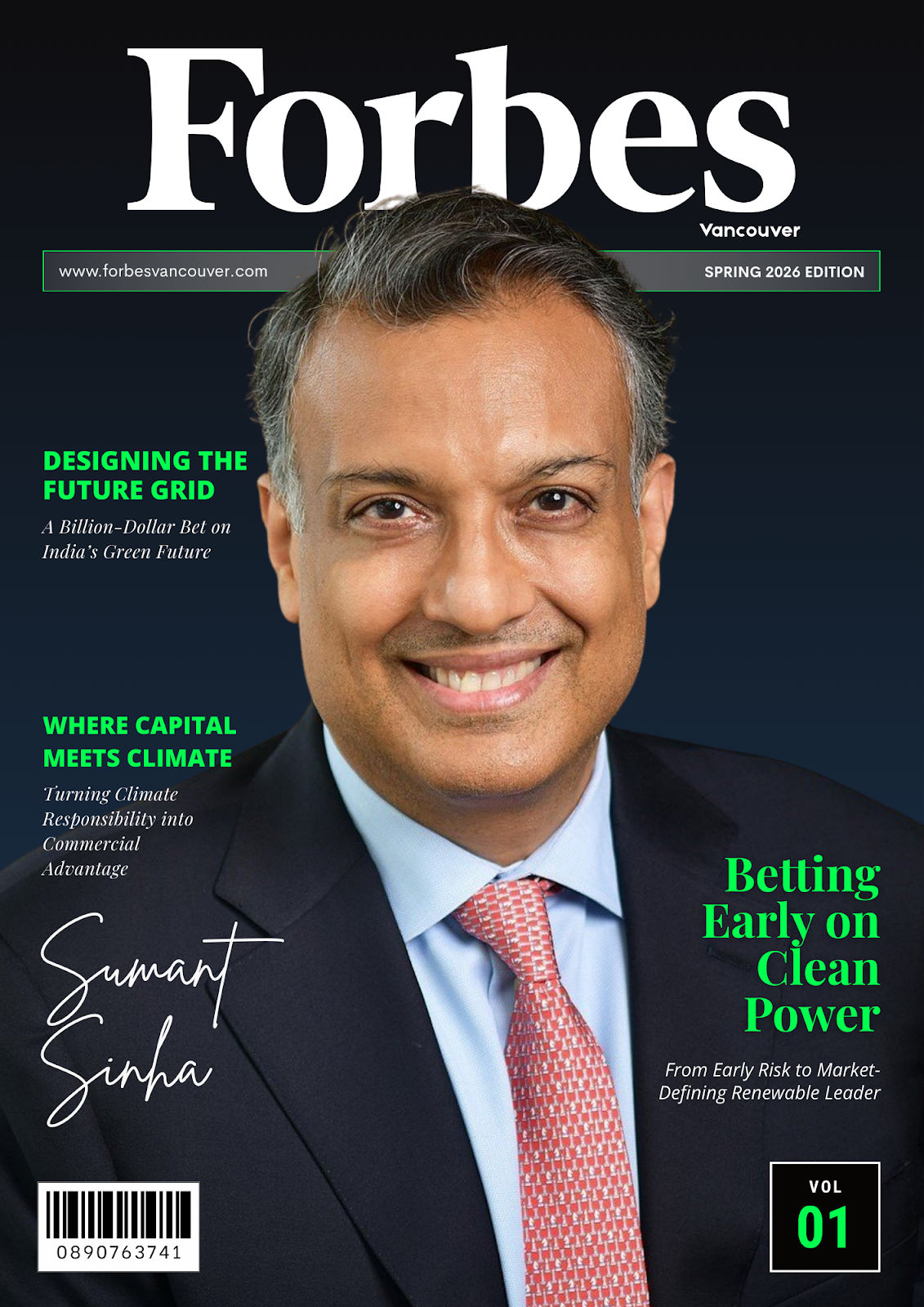
Green Energy at Scale: How Sumant Sinha Helped Redefine India’s Power Future
Entering a Market That Barely Existed
In 2011, when utility-scale renewable energy in India was still viewed as an experiment rather than an inevitability, Sumant Sinha made a decisive bet on the future. At a time when coal dominated the energy conversation and clean power was often dismissed as costly or unreliable, Sinha founded ReNew Power with a contrarian belief: that renewable energy could be built at scale, run with financial discipline, and compete head-to-head with conventional power.
It was not a fashionable move. Infrastructure-heavy, capital-intensive, and policy-dependent, the sector demanded patience and precision. But it was precisely this long-term lens that would become the foundation of ReNew’s growth.
Building Scale With Discipline
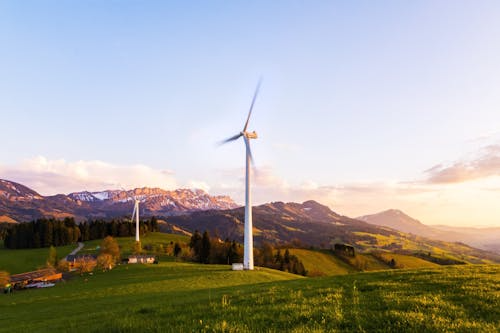
From the outset, Sinha focused on quality over speed. ReNew’s early years were defined by a deliberate approach to asset selection, risk management, and governance—choices that would later distinguish the company in a rapidly crowding market.
As wind and solar technologies matured and investor confidence in renewables deepened, ReNew was ready. Over the next decade, the company expanded into one of India’s largest independent renewable energy producers, developing a diversified portfolio of large-scale wind and solar projects across multiple states. The emphasis remained constant: predictable cash flows, operational excellence, and long-term value creation.
In an industry often marked by aggressive expansion, ReNew’s financial discipline became a competitive advantage.
Capital, Climate, and Commitment

One of the clearest expressions of Sinha’s ambition came through ReNew’s large-scale investments, including a proposed ₹82,000 crore commitment in Andhra Pradesh for renewable energy development. The numbers were significant, but the intent ran deeper.
For Sinha, renewable energy has never been just about megawatts. It is about carbon reduction at a national scale, energy security, and tangible improvements in quality of life—cleaner air, resilient infrastructure, and sustainable employment. By aligning commercial growth with environmental impact, ReNew positioned itself not merely as a power producer, but as a long-term partner in India’s development story.
Technology as a Force Multiplier
As the company scaled, Sinha increasingly leaned into technology to sharpen performance—from data-driven forecasting and grid integration to digital asset management. This integration of technology and sustainability has allowed ReNew to operate more efficiently while preparing for a future where renewable energy must do more than just generate power—it must stabilize grids, store energy, and adapt to climate volatility.
The approach reflects a broader shift in leadership thinking: sustainability is no longer a moral add-on, but a strategic imperative.
From National Player to Global Contender
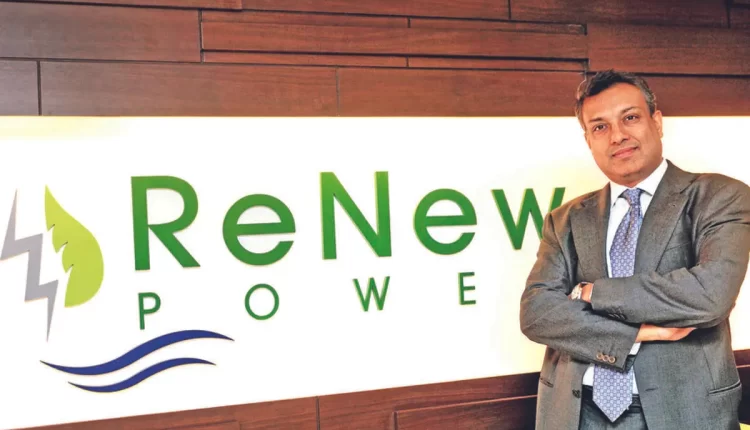
Today, ReNew’s trajectory mirrors India’s own renewable ambitions—confident, expansive, and globally relevant. Under Sinha’s leadership as Chairman and CEO, the company has increasingly been viewed not just as an Indian success story, but as part of a global movement reshaping how energy is produced and consumed.
Sinha’s journey underscores a quiet truth about transformational leadership: it often begins long before the market consensus forms. By entering early, scaling responsibly, and anchoring growth in purpose as much as profit, he helped prove that clean energy in India could be both commercially viable and nationally consequential.
In the race toward a low-carbon future, Sumant Sinha didn’t wait for the road to be paved—he helped build it.